
TL;DR: Aerial photography captures images from above, most commonly with drones, and generally falls into three types based on camera angle: vertical, low oblique, and high oblique. Partnering with a certified professional ensures both quality images and compliance with current FAA regulations.
Images captured through a bird’s-eye view can communicate things a ground-level photo often simply cannot—the scale of a property, the layout of an event, or the full scope of a construction project. That’s exactly why Dallas aerial photography has grown so popular for both commercial and personal use. As drone technology continues to advance, it’s easier than ever to put this perspective to work for your own brand’s website, social media, print materials, and more.
Our team has broken down what modern brands should know about aerial photography: what it is, how it’s captured, and why partnering with a professional drone pilot is worth it.
What Is Dallas Aerial Photography?
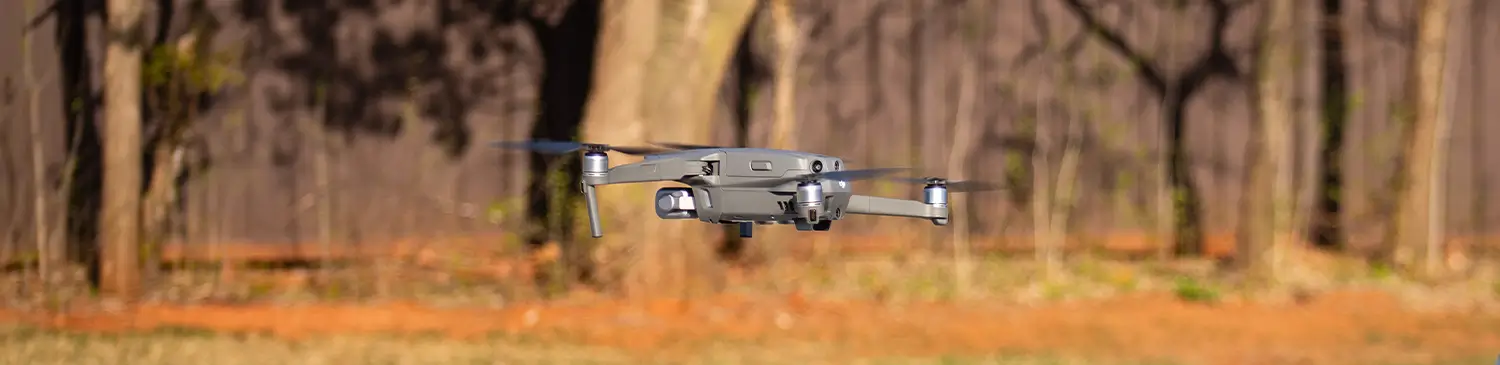
Aerial photography, or aerial imaging, is the art of capturing images or videos from the air. Historically, these photos were captured using aircraft and hot air balloons; today, drones have made the process far more accessible for brands of all sizes. A key benefit of aerial photography is that it can provide beautiful photos of larger spaces in a fraction of the time it would take using traditional, ground-level camera equipment.
Dallas Drone Photography Guidelines and Regulations
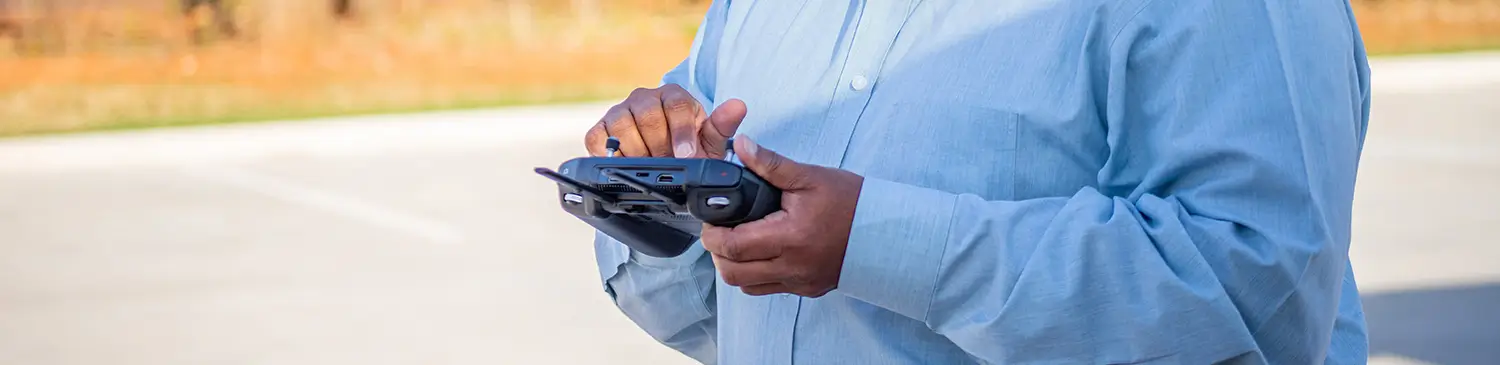
It is important to note that there are restrictions and guidelines for drone flights. In particular, a certified drone operator is required to fly it, and, depending on the location, the operator may be required to submit a flight plan for approval before going in the air. Additionally, special permissions may be required to fly depending on the airspace class; these permissions may take time to obtain, so it is worth planning in advance.
Drone photographers must also stay aware of FAA guidelines; for example:
- In daylight, flights may occur from 30 minutes before sunrise to 30 minutes after sunset.
- Night flights require the drone to carry proper anti-collision lighting.
- Flying over people may be permitted, depending on the drone’s weight and safety category.
3 Types Of Aerial Imaging
Several different types of aerial imaging exist, primarily defined by the angle, or axis, of the camera. Each method offers a distinct perspective, and they can be used in combination or entirely on their own, depending on what your project calls for.
1. Vertical
Vertical imaging has no tilt in the camera axis at all, showing a straight-on view of the ground below. Because of the camera angle, vertical imaging shows a smaller area. This type of imaging is excellent for mapping and offering a detailed layout of a space.
2. Low Oblique
Low oblique imaging tilts the axis more than 3 degrees, providing a more extensive view than vertical imaging, but it does not show the horizon. In Dallas aerial photography, low oblique angles are ideal for showing detailed close-ups of land and structures.
3. High Oblique
High oblique imaging has a much higher degree of tilt, typically around 60 degrees. With the axis tilted, the camera has a far reach, and the horizon is visible. High oblique is best for showing off landscapes and geographic features.
Why Work With a Professional Drone Pilot
Aerial photography involves more than just flying a drone and pointing a camera. A skilled operator understands how to navigate FAA regulations, plan around airspace restrictions, and choose the right angles, positions, and heights to capture the space effectively. That combination of technical skill and regulatory knowledge is difficult to replicate without real experience, which is why hiring a professional tends to produce far more consistent, usable results than a DIY approach.
A strong creative partner also brings something beyond flying the drone itself: the ability to plan a shot list that captures the full story of a space or project, rather than a handful of disconnected images. At myheartcreative, our FAA-certified drone photography Dallas team offers that exact combination of technical and creative expertise.
FAQs
Do I need to hire a certified operator, or can I fly a drone myself for my project?
For any commercial use, FAA regulations require a certified remote pilot. Beyond the legal requirement, a certified professional also understands the safety guidelines, flight restrictions, and camera techniques needed to get high-quality, usable results.
Which type of aerial imaging is best for real estate or property photos?
A mix of vertical and low oblique imaging often works best for real estate, since vertical shots show the overall layout and low oblique angles highlight architectural details and the surrounding property.
How far in advance should I book an aerial photography session?
As early as possible, especially if your shoot requires special airspace permissions. These approvals can take time to process, so booking ahead helps avoid delays close to your project’s timeline.
Can aerial photography be combined with traditional, ground-level photography?
Yes, and it often works best that way. Aerial shots capture scale and context that ground-level photography can’t, while ground-level images provide detail and a more personal perspective—together, they create a fuller picture of a space or event.
Key Takeaways
- Drones Get the Job Done Right: Compared to older aerial photography methods, drones offer a faster, more accessible way to capture bird’s-eye imagery.
- Operators Stay on Top of Regulation Changes: FAA guidelines and restrictions regarding night flights and flying over people have shifted over time.
- Three Distinct Camera Angles: Vertical, low oblique, and high oblique imaging each serve different purposes, from detailed mapping to sweeping landscape shots.
- Professional Experience Matters: A certified operator understands the technical, regulatory, and creative sides of aerial photography, ensuring safe, high-quality results.
Bring Your Project Into Focus, From Above
Whether you need a single sweeping shot or a full set of images, the right perspective makes all the difference—and that’s exactly what our team is ready to help you capture. From ground-based Dallas commercial photography to eye-catching aerial images, myheartcreative can deliver the images you need to showcase the best of your brand.
Connect with us to get started!