

TL;DR: A marketing plan gives your business direction: clarity on your goals, a defined ideal client, and a focused approach to content instead of scattered, reactive efforts. While some businesses get by without one, a plan turns short-term wins into sustainable growth. To build a strong one, determine your brand’s goals and vision, identify your ideal client, and set realistic deadlines.
In the past, the most effective advertising efforts aimed to interrupt the consumer and hopefully convince them to become a customer. But today’s consumer is savvy. They’re tired of being sold to, they’re inundated constantly with marketing messages, and they’ve learned how to tune most of it out entirely.
So, when modern businesses “fail” at marketing, it isn’t because they aren’t trying; it’s often because they’re throwing content at the wall without any real direction. To cut through the noise, brands need more than good content—they need a plan for who they’re reaching, what they’re saying, and why their message matters to that audience.
That’s exactly what a marketing plan gives you, and it’s what we’ll walk through below.
Do I Really Need a Marketing Plan?
The short answer? Yes, in the vast majority of cases.
It’s true that some businesses get by without a formal marketing plan, and a few even find short-term success that way. But “getting by” isn’t the same as building toward lasting growth—and that’s exactly where a marketing plan makes the difference.
A marketing plan can help you:
- Take a big picture look at your goals
- Get clear about your ideal client’s identity
- Create high-quality, focused content
What Should Be in My Marketing Plan?
The Foundational Components
The basis for your marketing plan needs to be your business goals, vision, and branding. These elements give every other decision in your plan a clear anchor. With them, you ensure that everything looks, sounds, and feels cohesive while working toward a common objective. Without them, even good ideas can end up feeling disconnected from what your business is actually trying to accomplish.
Your Target Audience
The next step is crucial—but often overlooked. Now, it’s time to hone in on your ideal client. Think about who would be most interested in your products or services, and consider:
- How old are they?
- What industry do they work in?
- What do they like to do in their spare time?
- Which social media platforms do they prefer?
Some companies have one ideal client, or “target market,” while others have a few. Just knowing who you’re creating content for is going to put you in a great position.
Strategically Chosen Content
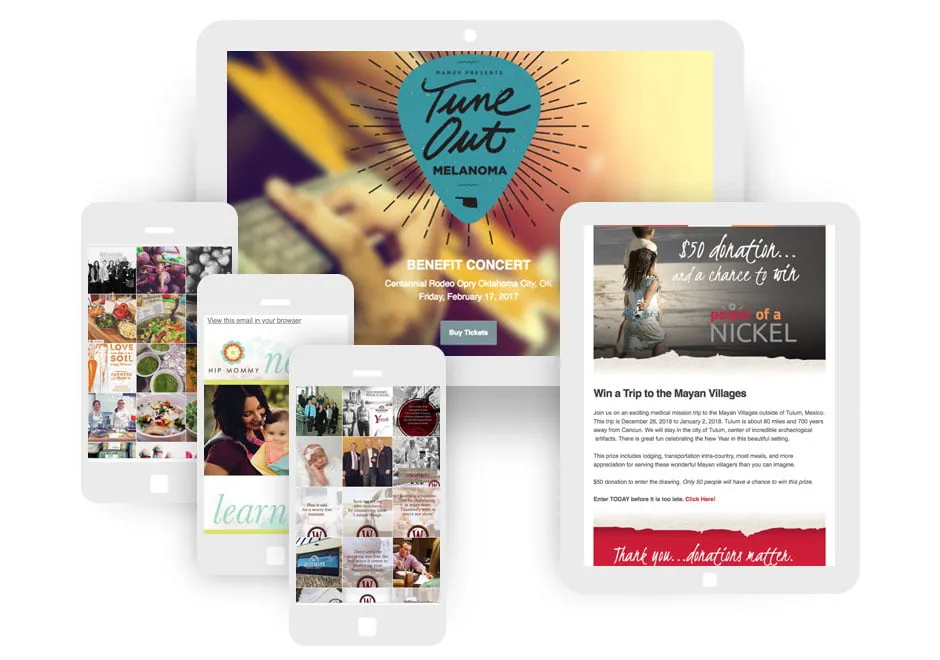
With your goals and ideal client defined, the next step is determining what content will actually reach them. Potential types of content to include are:
- Blog Posts: Great for sharing industry news, how-to’s, behind-the-scenes looks at your business, and more, all while helping your website build authority and improve SEO.
- Videos: One of the most effective content formats available, video works well for showcasing business processes, introducing your team, and addressing frequently asked questions.
- Social Media: Meet potential clients on the platforms they already use daily—such as Facebook, Instagram, and LinkedIn—with content tailored to each platform’s audience and format.
- E-Books: Ideal for exploring a topic in depth, generating leads by offering real value in exchange for an email address, or establishing your brand as a trusted authority.
- Podcasts: Start your own to build a direct, ongoing relationship with your audience, or appear as a guest on established podcasts in your industry to reach a new one.
- Newsletters: Keep in touch with people who genuinely want to hear from you. This is especially key for staying top of mind with leads who’ve signed up but haven’t started working with you yet.
- Events: Host webinars, Q&As, or in-person workshops to share valuable information directly with your audience, answer questions in real time, and build face-to-face trust.
Set Realistic Deadlines
Put a time limit on the goals in your marketing plan, but hold it loosely rather than treating it as a hard deadline. For example, maybe you want to bring in 10 new leads this month, get 50 more comments than usual on a YouTube video, or have 3 new blogs be featured in Google’s AI Overview.
You might achieve those goals in those four weeks, or it might take three months—and that’s okay. The value of the deadline isn’t always hitting it exactly; it’s the accountability it creates. Without one, it’s easy for goals to quietly slip in priority as other day-to-day tasks take over.
FAQs
How long should a marketing plan cover?
Many businesses plan in quarterly or annual cycles, but the right timeframe depends on your specific goals. Shorter windows work well for testing new content types, while longer-term plans help track progress toward bigger, ongoing goals.
I have a small business; is a formal marketing plan really necessary?
Yes—it is still highly recommended. A marketing plan doesn’t have to be a lengthy document; having a clear, simple outline of your goals, ideal client, and approach to content gives a small business far more direction than working reactively without one.
What’s the difference between a marketing plan and a marketing strategy?
A marketing strategy is the overall direction and goals guiding your marketing. A marketing plan is the specific, actionable roadmap for executing that strategy, including your content types, timelines, and target audience.
Key Takeaways
- A Plan Beats Guesswork: While guesswork can work for a time, most businesses eventually hit a ceiling. A clear plan can help you break through it.
- Know Your Ideal Client: Understanding who you’re creating content for shapes every subsequent decision in the plan.
- Content Should Match Your Goals: Different formats—blogs, video, social media, email—serve different purposes and appeal to different audiences, so choose based on what will actually work for your brand.
- Deadlines Create Accountability: Flexible, but realistic, timelines keep marketing efforts from falling to the bottom of the priority list.
Keep Your Efforts Focused With a Tailored Marketing Plan
So, does your business need a marketing plan? Usually: Yes! Every business is already competing for attention in a crowded, skeptical market. The right marketing plan determines whether you’re part of that noise, or if you’re the one sharing a message that actually breaks through it.
If you’re ready to build that kind of clarity into your marketing, myheartcreative would love to help. Reach out, and let’s tailor a plan that shows the world why your brand is worth paying attention to.