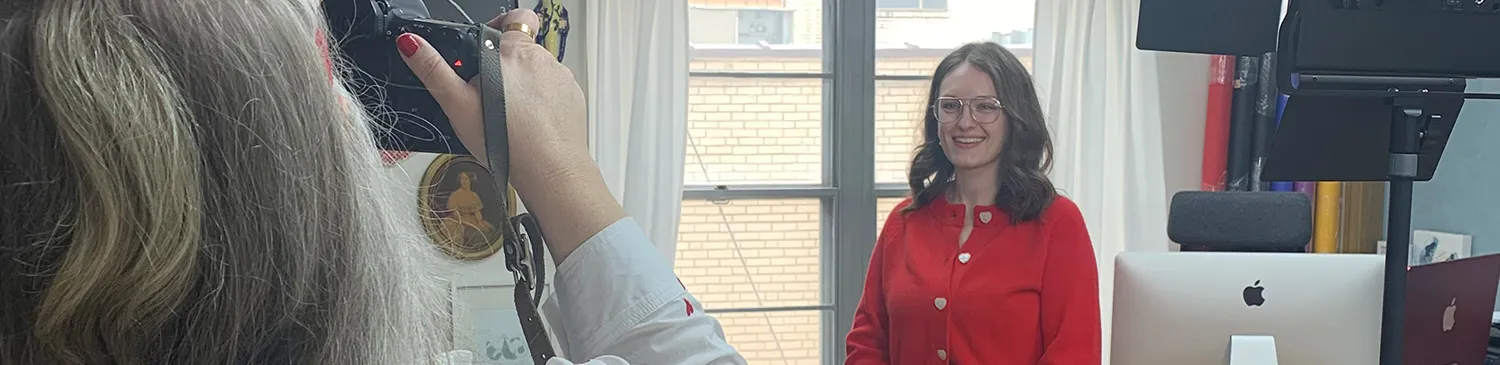

Ask any working photographer what separates an average photo from a striking one, and light tends to come up before composition, before gear, before nearly anything else. Photography lighting shapes mood, defines texture, and determines whether a subject reads as flat or genuinely dimensional—and no amount of post-processing can fully compensate for getting it wrong on set.
Why Photography Lighting Comes Before Everything Else
A camera doesn’t capture objects—it captures light bouncing off them. That’s a simple enough principle, but it explains why two photographers shooting the same subject in the same location can walk away with entirely different results, depending on how each has positioned and shaped their light.
Lighting Shapes Mood Before a Viewer Really “Sees” the Image
Soft, diffused light reads as calm and approachable. Hard, directional light reads as dramatic or edgy. Before a viewer has even processed what’s inside the frame, the lighting has already dictated how they’ll feel about it—making it one of the most powerful, and most consistently overlooked, storytelling tools a photographer has.
Lighting Determines How Authentic a Subject Looks
Flat, even lighting can make a subject appear artificial or staged. Light with real depth and direction—visible shadow paired with highlight—tends to feel truer to life, a distinction that matters enormously in product and headshot photography, where authenticity is the entire point.
Understanding Different Lighting for Photography
There’s no single formula for the best lighting, since the right approach depends heavily on the subject and the story being told. When choosing the right lighting for photography, your photographer starts by gaining an understanding of a handful of core categories and recognizing when each one applies.
Natural Light
Natural light shifts constantly throughout the day, which makes it both a gift and a genuine challenge. It’s beautiful when used with intention and unpredictable when it isn’t—a single cloud passing overhead can transform an entire shoot’s mood within seconds.
Studio Lighting
Studio setups give a photographer full command over intensity, direction, and color temperature. That control over photography lighting is precisely what makes consistent, repeatable results possible across a large product catalog or a multi-person headshot session, where every image needs to match with precision.
Mixed and Practical Lighting
Some of the most compelling commercial photography blends natural light with supplemental studio sources, treating the ambient environment as a foundation and shaping it further with controlled fill or accent lighting. This approach tends to produce imagery that feels grounded in a real space rather than obviously staged.

Finding the Best Light for Photography in Any Setting
Every environment holds some version of good light within it—the skill lies in learning to see it and adjusting an approach around it. The best light for photography isn’t always the brightest option available; more often, it’s the softest, most flattering angle a given space has to offer.
The Golden Hour Advantage
The hour after sunrise and before sunset produces warm, low-angle light that flatters nearly every subject. It’s a favorite among photographers for good reason, though it’s also a narrow window that requires planning a shoot around it rather than the reverse.
Working With Overcast Skies
An overcast sky functions like a vast natural diffuser, softening shadows and evening out skin tones across the frame. It’s an underrated condition for portrait and product work, particularly against harsh midday sun, which tends to produce unflattering shadows and blown-out highlights.
Controlled Indoor Environments
Indoors, window light combined with reflectors or supplemental sources can often produce the best light for photography in a product or headshot session, allowing the photographer to have more control over the lighting to produce the best shots.
Frequently Asked Questions
Here are the questions we hear most often on this topic.
Why is lighting so important in photography?
Lighting shapes mood, defines texture, and determines how three-dimensional a subject appears. It carries a greater impact on the final quality of an image than nearly any other single factor, including the camera equipment used to capture it.
What is the best time of day to shoot outdoors?
The golden hour, shortly after sunrise or before sunset, generally produces the most flattering natural light thanks to its warm tone and low angle. Overcast days are similarly excellent, since cloud cover diffuses light evenly across the entire scene.
Can bad lighting be fixed in editing?
To a degree, but not fully. Editing can correct exposure and color balance, but it can’t recreate depth, texture, or the natural falloff of shadow that comes from properly placed light on set. Getting it right during the shoot consistently produces a stronger final image.
Getting the Shot Right the First Time
If your brand’s current photography feels flat or inconsistent, the issue is rarely the camera—it’s almost always the light. That’s a solvable problem, but it takes real experience to solve consistently, especially across a full library of images meant to represent your brand.
At myheartcreative, deliberate photography lighting is central to how our OKC photographers approach every session, whether it’s a full product catalog or a team of headshots. If your current visuals aren’t doing your brand justice, we can help—get in touch to start planning your shoot.