

A website is easy to judge by how it looks and considerably harder to judge by how it performs. Plenty of attractive sites quietly lose business every day because nobody has asked the harder question—not whether it looks good, but whether the design and development behind it is actually driving results. That distinction matters more than most business owners realize, and usually only becomes clear once someone finally sits down with the numbers.
What Good Design and Development Actually Looks Like
A website that’s genuinely working isn’t simply live and free of errors. It’s converting visitors into inquiries, loading quickly enough that people stay, and guiding a prospect toward a clear next step rather than leaving them to figure it out on their own.
Traffic Without Conversions Is a Warning Sign
Visitors arriving in volume with very few inquiries usually point to a problem that has nothing to do with marketing—it’s what happens after someone lands on the site. A confusing layout, an unclear value proposition, or a buried contact form can quietly undo the work advertising or SEO is doing to bring people through the door.
Speed Is a Business Metric, Not Just a Technical One
Every additional second a page takes to load costs visitors, particularly on mobile devices. Slow-loading pages don’t simply frustrate people—they actively send them back to search results before they’ve had a chance to see what’s actually being offered.
Signs of Poorly Designed Websites
Some issues are obvious the moment a page loads. Others are quieter, surfacing only in analytics or in how rarely a contact form actually gets used. Recognizing poorly designed websites—including one’s own, if it hasn’t been examined closely in a while—starts with knowing precisely what to look for.
Cluttered Navigation
If a visitor can’t locate services, pricing, or a way to make contact within a few seconds, the navigation is working against the business rather than for it. Every additional click required before a prospect finds what they need increases the odds they’ll leave instead of staying.
Outdated Visuals
A site left untouched for years tends to signal, fairly or not, that the business behind it hasn’t kept pace either. Visitors form fast, largely unconscious judgments about credibility based on how current a site feels the moment it loads. This is one of the fastest ways to spot poorly designed websites in a competitive set—they simply feel a step behind.
No Clear Path to Action
Even a beautifully designed site fails if it doesn’t tell a visitor what to do next. Every page should carry an obvious next step—a contact form, a phone number, a link to book a consultation—rather than leaving that decision to the visitor.
Good Website Practices Worth Adopting
The fix isn’t necessarily a full rebuild. Often, applying a handful of good website practices consistently makes a far bigger difference than starting over from scratch.
Lead With Clarity, Not Cleverness
A homepage should communicate exactly what a business does and who it serves within seconds. Clever taglines that require explanation tend to lose visitors who are moving quickly and evaluating several options at once.
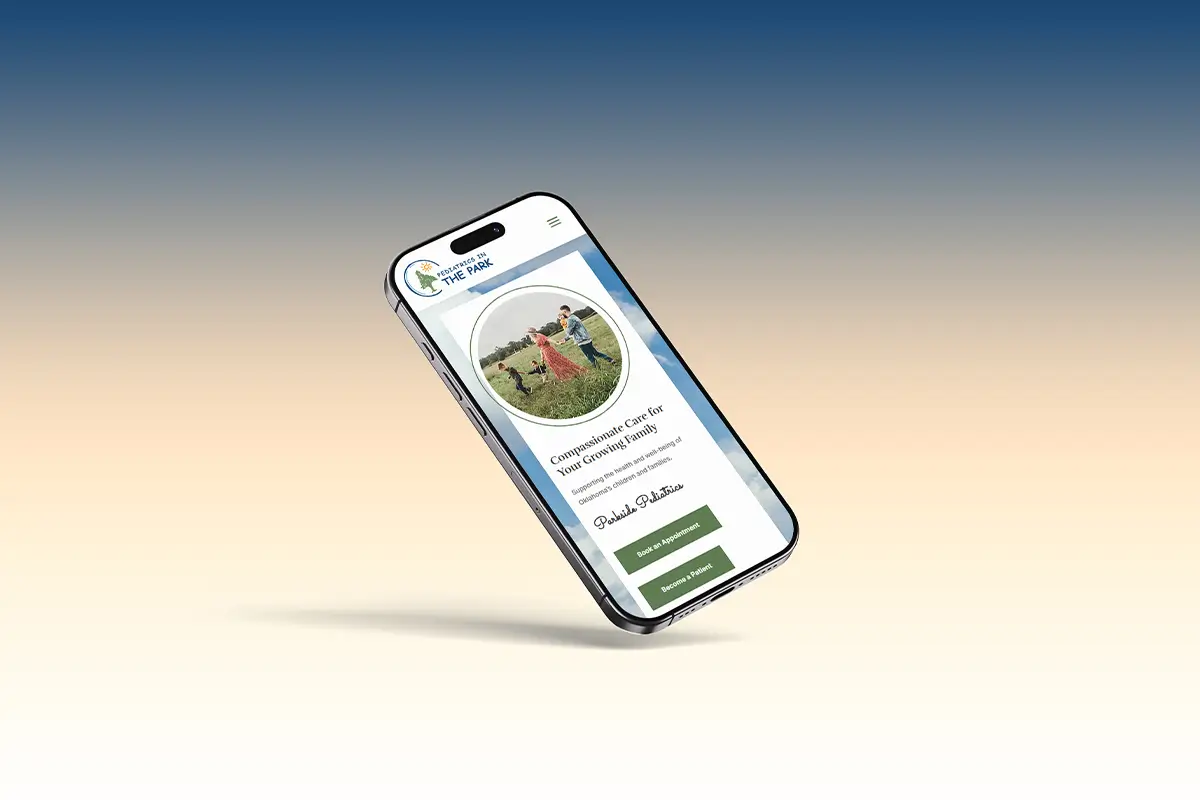
Make Mobile the Priority, Not an Afterthought
More visitors are arriving on phones than desktops for most businesses now. A site designed primarily for desktop and adapted for mobile as a secondary step tends to show it—cramped text, buttons too small to tap accurately, images that fail to scale cleanly. Sound design and development treats mobile as the starting point, not a retrofit.
Audit the Site Regularly
Treat a website as a living asset rather than a one-time project. Broken links, outdated service descriptions, and stale case studies accumulate quietly over time, and a periodic review catches them before they cost credibility with a visitor encountering them for the first time. Building this habit is one of the simplest good website practices a business can adopt on its own, without investing in a complete redesign.
Frequently Asked Questions
Here are the questions we hear most often on this topic.
How do I know if my website is underperforming?
Look at analytics for patterns like high organic traffic paired with low conversions, elevated bounce rates on key pages, or slow load times. These tend to be far clearer indicators of a problem than a subjective sense that the site “looks fine”.
How often should a website be redesigned?
There’s no fixed timeline, though most businesses benefit from a substantial review every few years, with smaller updates—content, imagery, minor fixes—happening on an ongoing basis in between.
Can a website be improved without a full redesign?
Often, yes. Targeted fixes to navigation, page speed, and calls to action can meaningfully improve performance without requiring a complete rebuild, particularly when the underlying structure of the site is still sound.
Taking an Honest Look
At myheartcreative, our website developers build every site around genuine performance rather than appearance alone. If it’s been a while since you evaluated your site with fresh eyes, it’s worth setting aside twenty minutes to click through it the way a first-time visitor would. Notice where hesitation creeps in, where the next step isn’t obvious, and where the experience feels dated next to the competition.
If your site hasn’t been evaluated recently, contact us and let us build a site that actually works for you.